The tourist card for Rome – free entry to top attractions, unlimited public transport and discounted access to over 45 museums and monuments.
Four steps to the perfect Rome City Pass.
Use the quick overview or the detailed comparison table to find the Rome Pass that's right for you.
All City Passes for Rome can be purchased online via the links on this page.
Digital passes are sent directly by email as PDF or QR code and are immediately usable. Physical passes like Roma Pass and Omnia Card must be collected in Rome.
For Colosseum and Vatican Museums, reservations are required for almost all passes.
There are three basic types: Time-limited passes with all attractions (e.g. Rome City Pass, Roma Pass, Omnia Card), passes with a limited number of attractions to choose from freely (Explorer Pass), and combination tickets for two to three fixed attractions (Tourist Card, Vatican City Pass).
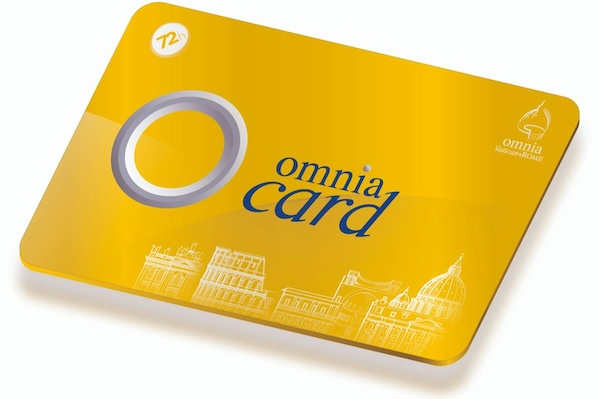
Prices range from €58.50 (Roma Pass) to €149 (Omnia Card). Depending on your travel style and desired scope, a different pass is suitable – those who want to see a lot should go for a time-limited pass, those who only want to visit a few highlights are well served with a combination ticket.
Yes, reservations are required for every Rome pass. With the Rome City Pass and Essentials Pass, the time slots for the Colosseum and Vatican Museums are already selected when booking – the provider takes care of the organization.
With the Roma Pass, however, you have to take care of all reservations yourself. It can happen that no time slots are available at short notice. With the Rome Tourist Card and combination tickets, you also select your preferred dates directly when booking.
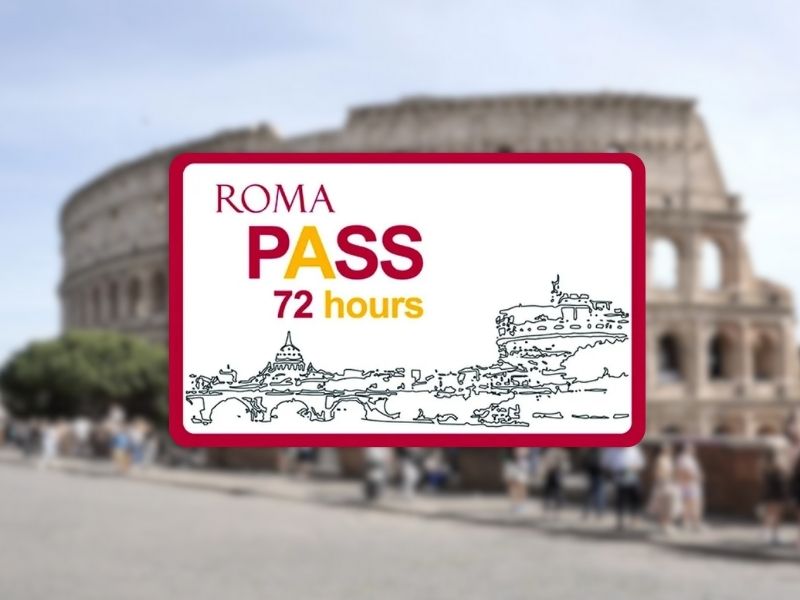
The Roma Pass is significantly cheaper at €58.50 than the Rome City Pass and already includes a public transport ticket. However, only one to two attractions are free – for others there are only discounts. Additionally, you have to take care of all reservations yourself.
The Rome City Pass offers more services like hop-on/hop-off bus, city tour and catacombs tour, and the provider handles the reservations. Those who plan little sightseeing are better off with the Roma Pass; those who want to experience a lot, with the City Pass.
Cancellation conditions differ depending on the pass. The Roma Pass (at GetYourGuide) can be cancelled free of charge up to 24 hours before departure. The Rome Explorer Pass allows cancellation up to 30 days after purchase, provided it has not yet been activated.
The Rome City Pass has a cancellation fee of €50 per pass, possible until one day before the first valid day. The Rome Tourist Card and combination tickets from Tiqets.com cannot be cancelled as individual time slots are reserved. It's therefore worth checking the conditions carefully before purchasing.
A Rome pass is particularly worthwhile for intensive sightseeing, when you want to book many attractions from one source and plan your budget in advance. You don't have to worry about escalating costs while traveling and save yourself the question of whether a single ticket is worth it.
However, you shouldn't have exaggerated savings expectations – for cheap museums, the passes usually don't pay off. It's important to check beforehand whether the desired attractions are included, and to pay attention to the price-performance ratio and cancellation conditions.
No. Each attraction included in the pass can basically only be visited once. This applies to all common Rome passes – whether Rome City Pass, Roma Pass, Explorer Pass or Omnia Card.
With the Roma Pass, only one to two attractions are included for free anyway and only a discount is granted for others. Anyone who wants to revisit an attraction must buy a separate ticket for it.